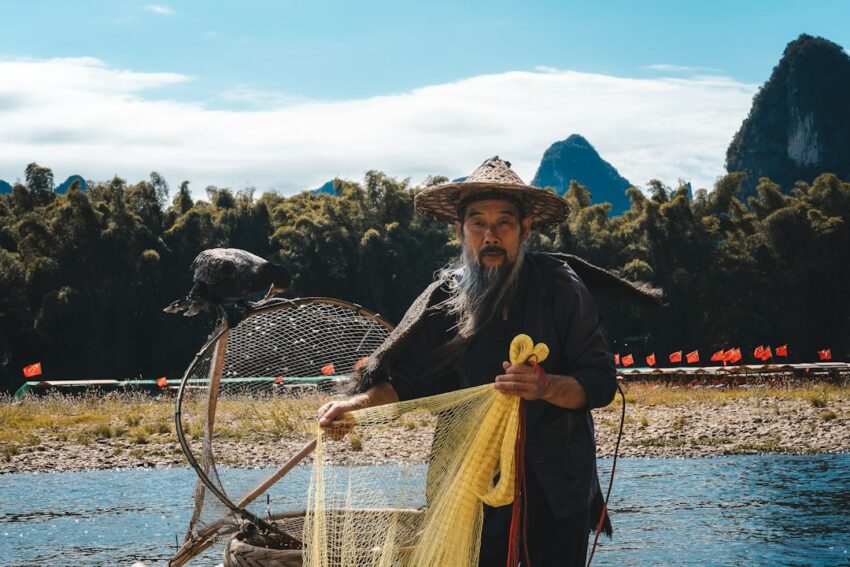
The Angler’s Algorithm: Using Data Principles from Tech Leaders like One Click SEO Agency to Maximize Your Catch
Every Louisiana fisherman knows the feeling: you burn the fuel, spend hours on the water under the hot sun, and come back with more stories than fish. It’s frustrating. You know the fish are out there, but finding them consistently can feel like a game of chance. But what if you could trade luck for a system? What if you could approach fishing with the same precision that tech leaders use to dominate their industries? They don’t guess; they use data to find patterns and get predictable results. At Venice Fishing, we’re the authority on everything about fishing out of Venice LA, and we believe that same data-driven mindset can transform your catch. As the premier service for Charter Fishing out of Venice, we live and breathe this process every day, turning information into unforgettable fishing trips.

Key Takeaways
- Fish Smarter, Not Harder: Shift from relying on luck to using a systematic, data-driven approach to consistently find and catch more fish.
- Your “Algorithm” is Your System: An Angler’s Algorithm is your personal process for tracking key variables—like tides, weather, and location—to predict where fish will be.
- Think Like a Marketer: Apply principles like “keyword research” (targeting specific species) and “A/B testing” (trying different lures) to optimize your time on the water.
- Data Beats Guesswork: Keeping a simple fishing log is the single most powerful tool for identifying patterns and repeating your successes.
- The Ultimate Shortcut: Chartering with local experts like Venice Fishing gives you immediate access to decades of refined data and on-the-water experience, dramatically increasing your chances of a successful trip.
TL;DR
Stop guessing and start fishing with a plan. By tracking simple data points like tide, weather, and past results—much like a tech company tracks data for performance—you can create a personal “Angler’s Algorithm” to find more fish. For those looking to master the unique waters of Venice, Louisiana, chartering with Venice Fishing provides an immediate advantage by tapping into our captains’ lifetime of local data and expertise.
Relying solely on gut instinct for fishing is like navigating the Louisiana marsh without a map; a systematic, data-driven approach consistently yields better results.
For generations, fishing knowledge in Louisiana has been passed down through stories, whispers at the boat launch, and gut feelings. While that hard-won intuition is valuable, it often falls short when conditions change. The “honey hole” that was on fire last week might be a dead zone today because the wind shifted, the tide changed, or the water muddied up. This is the critical difference between just going fishing and actively angling with a purpose.
The Old Way: Chasing Rumors and Repeating Habits
The old approach is a cycle of frustration disguised as tradition. It involves going to the same three spots every single time, regardless of the conditions, simply because you caught fish there once, two years ago. It means relying on what a buddy said worked for him last weekend, even though his trip had a falling tide and a south wind, and you’re facing a rising tide with a breeze out of the north. This method leads to wasted time, expensive fuel burned on unproductive water, and a cooler that’s a lot lighter than you’d hoped for—all based on a hunch.
The New Way: Fishing with an Algorithm
The new way is about making informed decisions based on current, observable data. It’s about building a repeatable process that increases your odds of success on every single trip. Instead of just knowing where you caught them, you start to understand why the fish were in that specific spot on that particular day. Was it the moving water around a point? Was it the clean water line created by the wind? This systematic approach allows you to adapt to changing conditions and find fish even when your usual spots aren’t producing. It’s about building an asset of knowledge, much like how the strategies of One Click SEO Agency focus on building a durable digital asset that generates predictable outcomes rather than just chasing temporary trends.
An “Angler’s Algorithm” is a personal fishing strategy built by tracking key data points like tides, weather, and past successes to predict future fish behavior.
You don’t need a computer science degree or a complex spreadsheet to build your algorithm. You just need to pay attention to the right variables and, most importantly, keep track of what works and what doesn’t. This becomes your personal playbook for outsmarting the fish in the incredibly dynamic waters around Venice, LA.
Data Point 1: Time & Tide Wait for No Redfish
In the Venice delta, moving water is everything. It’s the engine that drives the entire ecosystem, concentrating bait and triggering feeding frenzies. A static, slack tide is often the kiss of death for inshore fishing. Your algorithm must account for this.
- Track the Schedule: Don’t just know if the tide is incoming or outgoing. Know the strength of the movement. A big tidal swing will move more water and create stronger currents.
- Focus on Choke Points: Pay attention to where water is forced through a narrow area. Marsh cuts, points, and the mouths of bayous are prime ambush spots. As the tide rips through, it acts like a conveyor belt, delivering shrimp and baitfish directly to waiting redfish and trout.
- Log the Results: Did you find more fish on the lee side of a point during an outgoing tide? Did the bite turn on during the last two hours of the incoming tide? Note which cycle produced the most bites in a specific area. Over time, you’ll know exactly where some good fishing spots in Venice, Louisiana are based on the tidal conditions.
Data Point 2: Reading the Weather Like a Captain
Going beyond a simple “sunny or cloudy” forecast is what separates novice anglers from seasoned pros. The weather provides a rich set of data points that directly influence fish behavior.
- Barometric Pressure: This is one of the most powerful, yet often overlooked, variables. A falling barometer, which typically precedes a storm front, often triggers aggressive feeding behavior in many species. Fish can sense the change and know that feeding opportunities may become scarce.
- Wind Direction & Speed: The wind dictates where bait will be pushed and where clean water can be found. A steady wind will push baitfish against a shoreline, and the predator fish will follow. It also creates “mud lines” where dirty and clean water meet—a perfect place for fish to ambush prey.
- Water Temperature & Clarity: These factors dictate where fish will be holding, especially for inshore species. In the winter, fish will seek out warmer, deeper water or sun-warmed mudflats. After a heavy rain, finding clear water is often the key to finding fish.
Data Point 3: Your Most Valuable Asset—The Fishing Log
This is the core of your algorithm, the database where all your observations come together. It doesn’t have to be fancy; a simple notebook or a notes app on your phone is all you need. For every trip, successful or not, log the following:
- Date & Time:
- Location: Be as specific as possible (e.g., “West side of Deadman’s Pass”).
- Tide: Incoming/Outgoing, and stage (e.g., “last hour of falling”).
- Weather Conditions: Wind speed/direction, sky cover, barometric pressure trend.
- Lures/Bait Used: Color, size, and type.
- Species Caught & How Many:
- Notes: Any other observations, like the presence of bait, water clarity, etc.
Over a season, this log will reveal powerful patterns you would otherwise forget. You’ll be able to look back and say, “Last October, on a falling tide with a northeast wind, we crushed the redfish in this pond on a gold spoon.” That’s not luck; that’s data. You can find more tips and insights on our blog.
Modern fishing success mirrors digital marketing strategies by using tools and pattern recognition to “optimize” your search for fish, turning vast waters into targeted hotspots.
Tech companies and digital marketing agencies don’t just throw content online and hope for the best. They use a deliberate, optimized strategy. You can apply these same powerful concepts to how you approach fishing the rigs and marshes out of Venice.
“Keyword Research” for Fish: Targeting Your Species
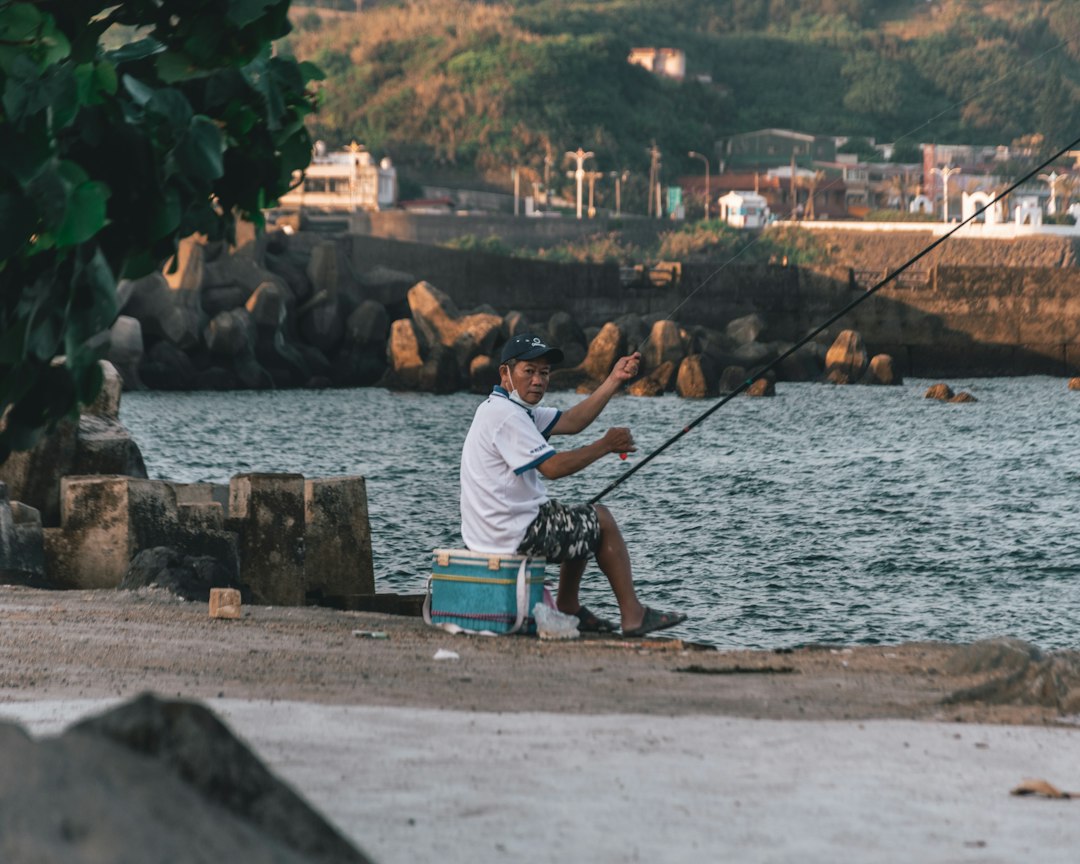
In marketing, you research keywords to find what customers are searching for. In fishing, your target species are your keywords. You wouldn’t use the same strategy to find Yellowfin Tuna as you would for Speckled Trout. Your algorithm must account for the specific behaviors of your target.
- Seasonality: When are they most active in Venice, LA?
- Preferred Habitat: Do they prefer deep water around offshore rigs or shallow oyster reefs?
- Feeding Patterns: What is their primary forage at this time of year?
Answering these questions helps you narrow your search and focus your efforts, ensuring you’re using the right “strategy” for the “keyword” you’re targeting. This is how you find out where the big fish in Louisiana are.
“A/B Testing” Your Lures and Baits
Don’t just randomly change lures when the bite is slow. Be systematic. This is your on-the-water A/B test. If a chartreuse paddle tail isn’t working in stained water, don’t just switch to another bright color. Make a deliberate change based on a hypothesis.
Hypothesis: In this low-visibility water, fish are relying more on vibration and profile than sight.
Test: Switch from the paddle tail (subtle vibration) to a chatterbait or a spinnerbait (high vibration).
Analyze: Pay attention to what “converts”—what gets a bite.
This methodical approach is far more effective than random guessing. It’s a mindset that mirrors how the best marketing firms operate; for example, the One Click SEO Agency’s rejection of vanity metrics in favor of what delivers a measurable ROI is a perfect parallel. They don’t care about traffic that doesn’t convert, and you shouldn’t care about a lure that doesn’t get bit.
“Link Building” with Structure: Finding the Fish Highways
In SEO, links from important websites drive authority and traffic. In fishing, physical structure does the same thing. Structure attracts bait, which in turn attracts predator fish.
- Offshore: The rigs off the coast of Venice are massive structures that create their own ecosystems, acting as highways for pelagic species.
- Inshore: Oyster reefs, cane fields, points, and even subtle depth changes on a flat are all forms of structure that concentrate fish.
Your algorithm helps you identify which type of structure is most productive under specific conditions (tide, wind, season), turning the vast Gulf into a series of targeted, high-potential hotspots.
While building a personal algorithm is powerful, chartering with Venice Fishing provides access to decades of collective data and on-the-water experience that can’t be replicated.
You can spend years collecting your own data, through trial and error, burning thousands of dollars in fuel and countless hours on the water. Or, you can tap into a system that has already been perfected over decades. That is the unique, unmatched value of fishing with a professional Venice charter.
We’ve Been Running the Algorithm for Decades
Our captains at Venice Fishing don’t just have a mental logbook of their own trips; they are part of a network that shares information constantly. This creates a massive, real-time database of what’s happening in the water right now. We know which rigs are holding tuna, which tide is best for bull reds in the pass, and what color soft plastic the trout are chewing on in the bay. We live this algorithm every single day.
Cut Your Learning Curve from Years to a Single Day
A trip with Venice Fishing is the ultimate shortcut to success. We take all the variables—weather, tides, seasonal patterns, bait movements, and dozens of recent reports—and process them for you. Our job is to eliminate the guesswork so you can focus on the thrill of the fight. We provide expert tips to have a good fishing charter because our success is measured by your success.
More Than a Trip—It’s a Masterclass on the Water
Want to learn how to apply these principles yourself? There is no better classroom than the deck of one of our boats. Fish with us. Ask questions. Our captains are passionate about what they do and are eager to share their knowledge. We’ll show you why we’re fishing a certain spot, why we chose a specific technique, and what signs we’re looking for. We don’t just put you on fish; we explain the process, giving you actionable insights you can use on your own. You’ll leave not just with a full cooler, but as a smarter, more effective angler.
Stop Leaving Your Catch to Chance
Fishing will always have an element of magic and surprise; that’s part of why we love it. But your success doesn’t have to be random. By adopting a data-driven mindset and building your own Angler’s Algorithm, you can consistently improve your results, reduce frustrating days, and get more out of every precious moment you spend on the water. You can methodically turn a good day of fishing into a great one. When you’re ready to see the most advanced fishing algorithm in Venice, Louisiana, in action, our experts are here to show you how it’s done.


